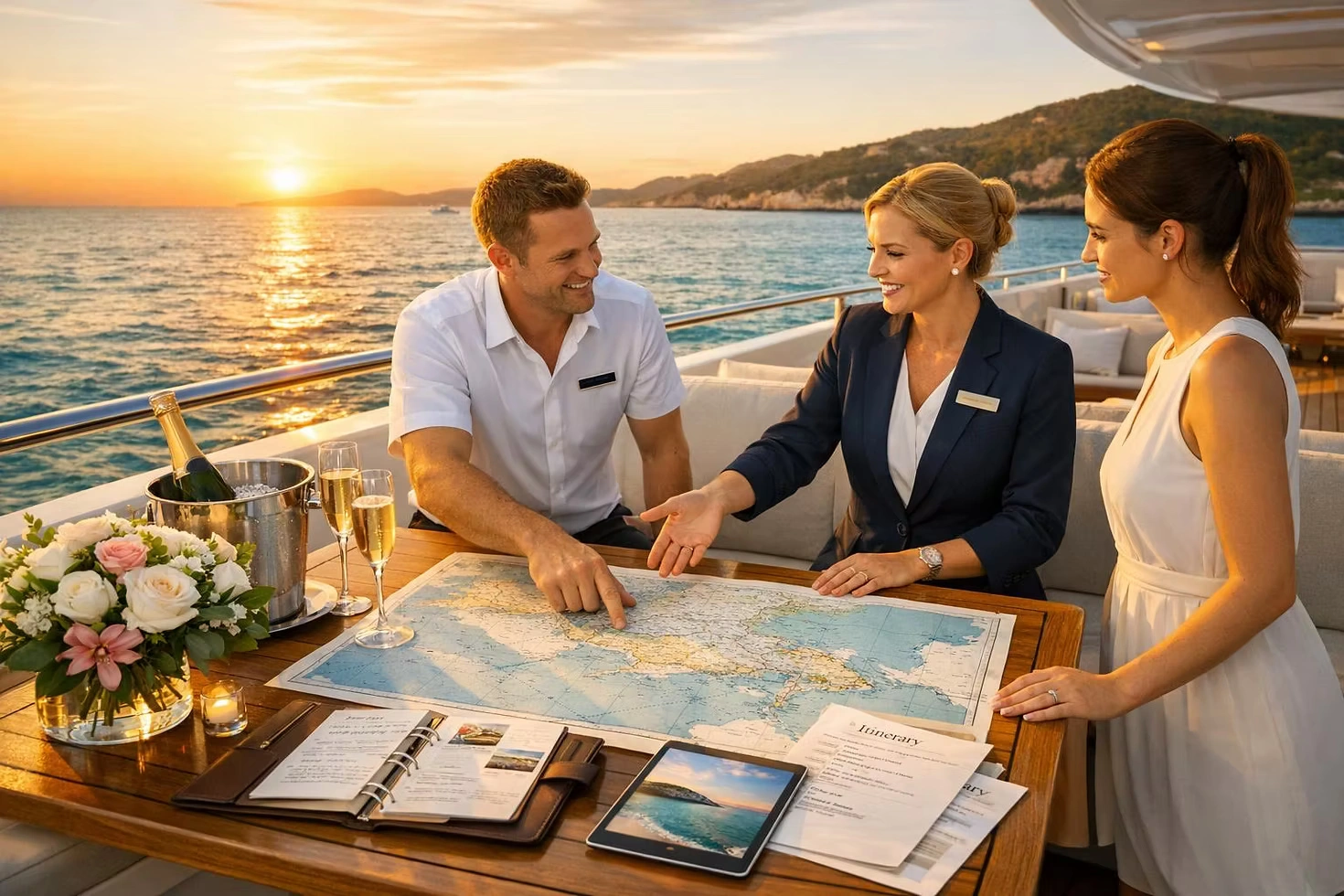
Best Yacht Charter Concierge Options: A Strategic Guide
The maritime luxury sector has evolved from a simple transaction of vessel rental into a highly complex orchestration of global logistics, safety management, and bespoke lifestyle design. For the discerning charterer, the vessel itself is merely the foundation of an experience; the true value resides in the infrastructure supporting that experience, the shore-side intelligence, the navigation of regulatory frameworks, and the seamless integration of hospitality with technical performance. This convergence of high-stakes asset management and service delivery defines the modern landscape of the yachting industry.
Navigating this domain requires a sophisticated understanding of how support architectures function. A yacht charter is not a static product; it is a dynamic operation subject to the shifting variables of international maritime law, weather patterns, and specific, localized logistical constraints. Consequently, the reliance on superficial booking platforms or under-resourced intermediaries often leads to a “value-gap,” where the promises made during the contracting phase fail to materialize during the execution of the voyage.
Achieving a high-functioning charter experience necessitates an analytical shift toward integrated, expert-led management. This investigation serves as a definitive reference for those tasked with the design and governance of their own maritime operations. It deconstructs the mechanisms of professional support, moving beyond the industry’s marketing veneer to provide a systems-level examination of what is required to execute a truly seamless, high-fidelity yachting engagement in an increasingly volatile global environment.
Understanding “best yacht charter concierge options.”
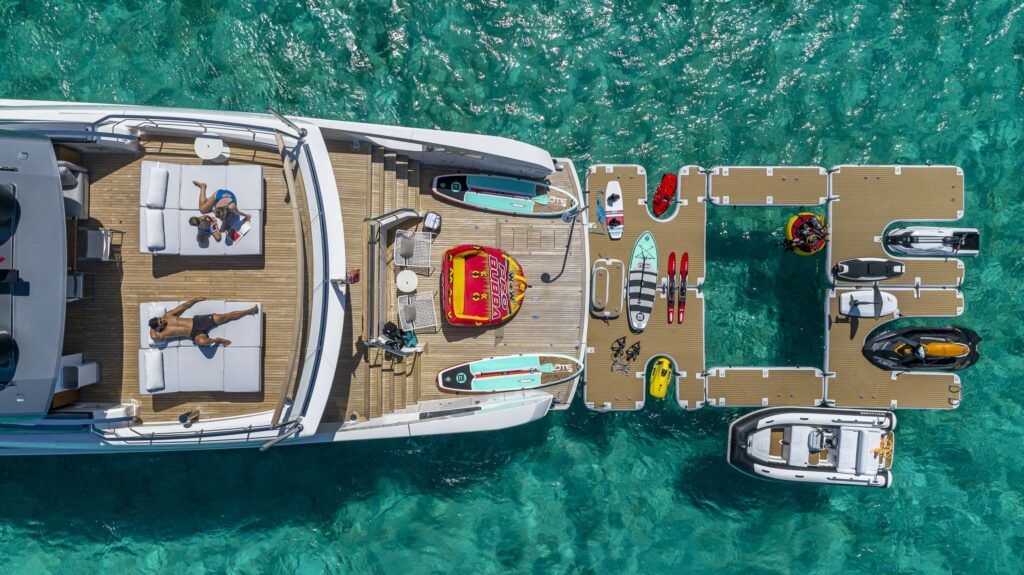
To identify the best yacht charter concierge options, one must first distinguish between institutional capability and transactional convenience. The market is saturated with service providers who offer little more than basic booking interfaces, masking their lack of depth with premium branding. A true charter concierge is an operational partner capable of navigating complex logistical, legal, and safety requirements. The most common misunderstanding involves equating the quality of a charter with the size of the vessel, rather than the rigor of the management team responsible for its operation.
Oversimplification in this sector introduces profound risks. A charterer who approaches this as a commodity purchase, prioritizing immediate availability or price point over institutional expertise, leaves themselves vulnerable to systemic failures. The primary goal is the creation of a resilient operational buffer. A superior concierge structure acts as a “maritime shadow office,” proactively managing the interplay of crew coordination, fuel logistics, port clearances, and the complex demands of the charterer’s guest list. When assessing potential partners, the focus must be on the provider’s ability to maintain continuity when standard procedures fail, rather than their ability to execute routine requests.
Deep Contextual Background
The trajectory of the yachting industry has transitioned from the fragmented, local models of the mid-twentieth century to the highly professionalized, globalized infrastructures of the current era. Historically, chartering was an opaque, relationship-heavy industry where information asymmetry was the primary source of intermediary profit. The professionalization of the sector, driven by the emergence of standardized management contracts and improved telecommunications, has shifted the focus toward transparency, safety, and operational reliability.
Modern maritime operations exist within a tightening web of international regulation, from environmental compliance in protected areas to the strict oversight of maritime labor laws. The contemporary charterer requires support that understands not only the lifestyle requirements of high-net-worth clients but also the rigorous technical demands of vessel operation. We are currently in a phase where high-end charter management is inseparable from private office oversight, requiring a synthesis of luxury service and institutional-grade safety management.
Conceptual Frameworks and Mental Models
-
The Operational Continuity Index: A framework measuring the robustness of a provider’s “Plan B” protocols. It evaluates how quickly a system can reroute or mitigate issues such as vessel maintenance failures or port closures without disrupting the charterer’s experience.
-
The Regulatory Friction Matrix: A model used to map the legal and bureaucratic complexities of a chosen cruising region. It highlights the necessity of localized expertise in navigating specific territorial waters.
-
The Information Symmetry Model: A system for assessing the transparency of communication between the charterer, the management firm, and the vessel’s crew, ensuring that expectations and operational realities remain aligned.
-
The Resource-Delegation Loop: A model for determining the appropriate level of involvement for the charterer. It posits that high-tier concierge systems must allow for “strategic distance,” where the client delegates all logistical stress while retaining full oversight of the charter’s primary objectives.
Key Categories and Operational Variations
Support structures for maritime excursions exist on a spectrum, ranging from automated digital booking hubs to fully integrated private office extensions.
| Category | Typical Scope | Institutional Reach | Management Intensity |
| Integrated Private Office | Full-Cycle Asset/Lifestyle | Absolute | Low (High Trust) |
| Boutique Brokerage | Bespoke/Experiential | High | Moderate |
| Global Charter Management | Policy/Fleet Managed | High/Institutional | Moderate |
| Transactional Aggregator | Basic Booking | Low | High (Volume Focus) |
Realistic decision logic for choosing a provider depends on the charterer’s primary objective. If the goal is pure experiential focus with low complexity, a boutique firm suffices. However, for complex itineraries involving multiple jurisdictions, high-prestige events, or strict security requirements, only an Integrated Private Office model provides the necessary buffer.
Real-World Scenarios and Decision Logic
Consider the “Regional Access Failure,” where a charter is interrupted by a sudden change in port regulations. A low-tier agency will struggle with the bureaucracy, leaving the client stranded. A high-tier provider, however, has pre-negotiated contingency access or alternative local partners who can pivot the itinerary while maintaining the client’s original intent.
In a “Medical Contingency” scenario, the difference becomes starker. An integrated system has already mapped the nearest high-fidelity medical facilities for the entire route and holds pre-authorized agreements for rapid transit or evacuation. The failure mode of standard services is an inability to provide real-time, actionable crisis management when the unexpected occurs.
Planning, Cost, and Resource Dynamics
The economic landscape of charter management is often obscured by bundled fees. A transparent approach requires deconstructing these costs into direct services, management overhead, and insurance-backed contingency funding.
| Planning Component | Cost Range (USD/Year) | Primary Driver |
| Private Office Retainer | $150,000+ | Strategic integration depth |
| Specialized Boutique Fee | $25,000 – $75,000 | Custom itinerary complexity |
| Global Charter Desk | $5,000 – $20,000 | Volume/Standard inventory |
Opportunity costs must also be considered. The time and reputation lost due to a failed charter or a logistical catastrophe far exceed the premium paid for high-end, reliable management.
Tools, Strategies, and Support Systems
-
Direct-Line Liaisons: Providing a single point of institutional knowledge that understands the client’s specific preferences and risk tolerance.
-
Encrypted Tactical Networks: Using high-security communication channels to ensure itineraries and sensitive personal data are protected during the voyage.
-
Local “Soft-Landing” Protocol: Pre-established relationships in every port of call, ensuring that logistics, security, and medical support are prepared before the vessel’s arrival.
-
Operational Transparency Portals: Secure digital environments where clients can track the status of their charter, monitor contingency plans, and interact with the concierge team in real-time.
Risk Landscape and Failure Modes
The primary risk is “Institutional Atrophy,” where a provider relies too heavily on automated processes at the expense of human expertise, leading to a loss of the nuance required for high-stakes chartering. Another significant failure mode is “Information Siloing,” where the concierge team fails to pass critical context, such as the charterer’s specific dietary or security needs, to the vessel’s captain, resulting in a breakdown of service quality.
Governance, Maintenance, and Long-Term Adaptation
A successful chartering strategy is governed by constant review.
-
Quarterly Alignment Reviews: Formal assessments of the charterer’s long-term objectives and whether the current management model remains appropriate.
-
Trigger Points for Calibration: Shifts in the charterer’s preferences, geographic focus, or risk profile should mandate an immediate review of the concierge’s reach.
-
Layered Governance Checklist: Any partnership must include verification of professional indemnity insurance, data privacy frameworks, and the existence of tested, written emergency protocols for all logistical elements.
Measurement, Tracking, and Evaluation
-
Leading Indicators: The speed and sophistication of responses to simulated logistical disruptions; the proactive identification of potential issues before they emerge.
-
Lagging Indicators: The total “time-reclaimed” (the delta between hours spent managing the charter versus hours enjoyed); the consistency of high-prestige outcomes across different regions.
-
Documentation Examples: Incident resolution logs, post-charter debrief reports, and annual impact-value statements that quantify the success of the management team.
Common Misconceptions and Oversimplifications
-
Myth: “Luxury brokers are interchangeable.”
Correction: Brokers vary significantly in their reach and their ability to advocate for the charterer’s interests in complex contract negotiations. -
Myth: “Digital platforms provide better value.”
Correction: Digital platforms commoditize the experience, removing the human judgment necessary to handle complex, non-linear logistical challenges. -
Myth: “The crew handles all logistics.”
Correction: The crew manages the vessel; they rarely have the shore-side authority or the broad network to resolve systemic issues occurring outside the ship’s immediate environment. -
Myth: “Low management fees indicate efficiency.”
Correction: Low fees often indicate a lack of resources, forcing the charterer to perform their own logistical troubleshooting.
Ethical, Practical, and Contextual Considerations
The practical management of a high-end charter involves navigating the intersection of leisure and legal obligation. Ethical considerations arise when balancing the client’s desire for complete privacy with the necessity for security and regulatory compliance. Organizations must treat their concierge partners with the professional respect due to a strategic advisor, fostering a long-term relationship built on trust and mutual understanding. This approach ensures that the support remains transparent, aligned with the client’s values, and capable of executing at the highest possible level.
Conclusion
The pursuit of an elite maritime experience is a process of deliberate strategic management. By rejecting the commoditized view of chartering and instead embracing the necessity of integrated, high-fidelity support, clients can ensure their time on the water is defined by resilience and continuity rather than friction and uncertainty. The selection of the best yacht charter concierge options is an investment in institutional capacity. It is the bridge between the ambition for a seamless voyage and the technical realities of maritime operation. As the global regulatory landscape becomes more complex, the long-term advantage will accrue to those who demand the same level of analytical rigor from their maritime support as they apply to their professional and personal capital.